
Birds/Plants found in this Garden:
Mourning Dove
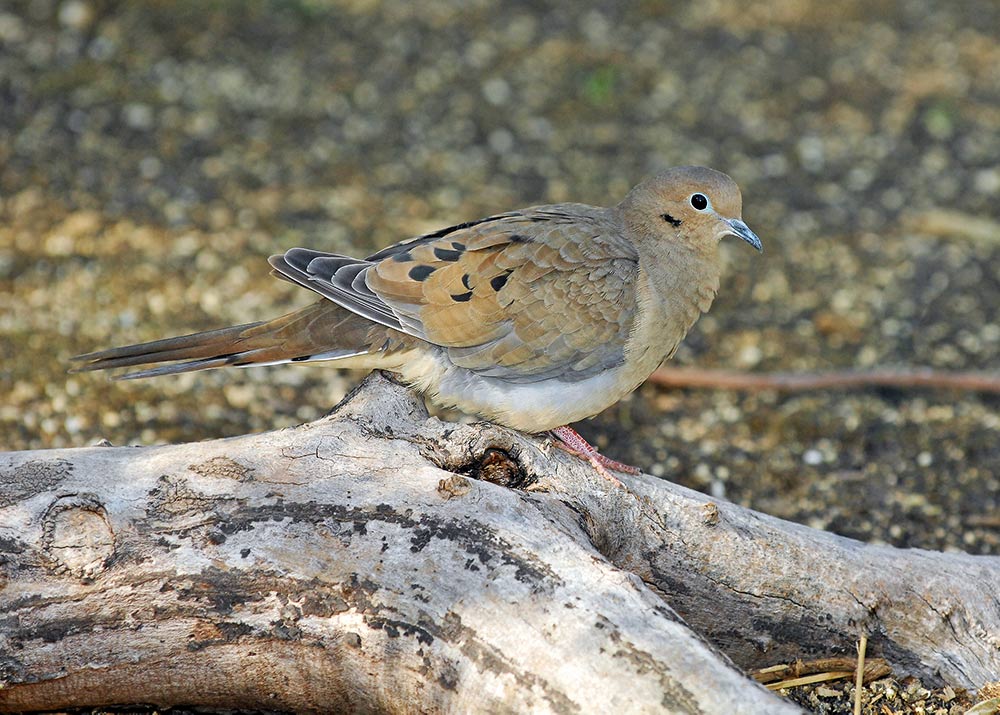
photo by Nick Lantz
Description : Smaller than a pigeon with plump-bodies and unique long-tails. Their legs are short and they have small bill with a small head compared to the body.
Diet: Seeds make up most of their diets, which include grains and sometimes snails
Habitat: Commonly found to be in open country, scattered trees, and woodland edges. During the winter they head to woodlots
Black-Chinned Hummingbird
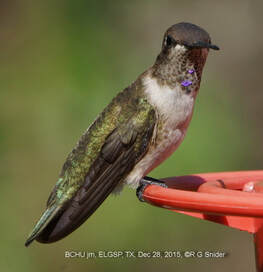
photo by Nick Lantz
Description : Small and slender with a straight bill. They usually have a dull metallic green above and a dull and grayish-white below.
Diet: They have a simple diet that includes nectar from flower, small insects, spiders and sugar water.
Habitat: Found in the Southwest where there are canyons near rivers. During winter they can be found to be in the shade of oaks along the Gulf.
White Crowned Sparrow
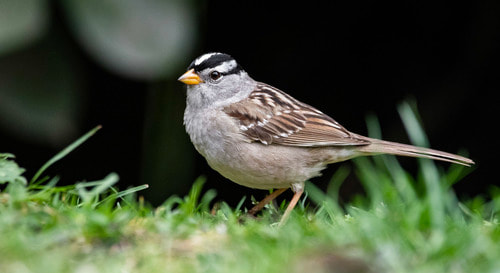
photo by Nick Lantz
Description: A larger type of sparrow with a small bill and a long tail. The head can look to be both peaked and be flat, depending of the point of view. They tend to be pale-gray with very bold black-and-white stripes on the head with a pink or yellow beak.
Diet: Seeds of weeds and grasses plus a number of small insects such as caterpillars are their main diets. They also favor grains such as oats and wheat.
Habitat: Breeds in open or shrubby habitats, including tundra, high alpine meadows, and forest edges. Patches of bare ground and grasses are important characteristics. During winter and on migration these birds frequent thickets, weedy fields, agricultural fields, roadsides, and backyards.
Bottle Palm
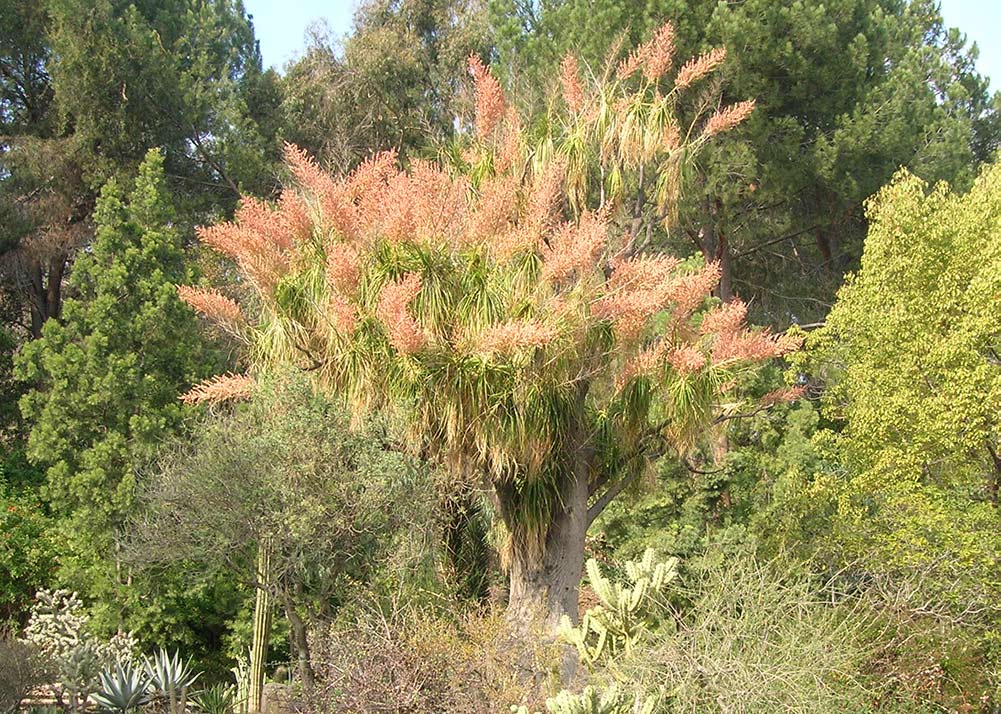
photo by Nick Lantz
Scientific Name: Beaucarnia recurvate
Description: This large succulent is native to the semi-desert areas of central to southeastern Mexico. It provides shelter and nesting sites for birds.
Elephant Bush
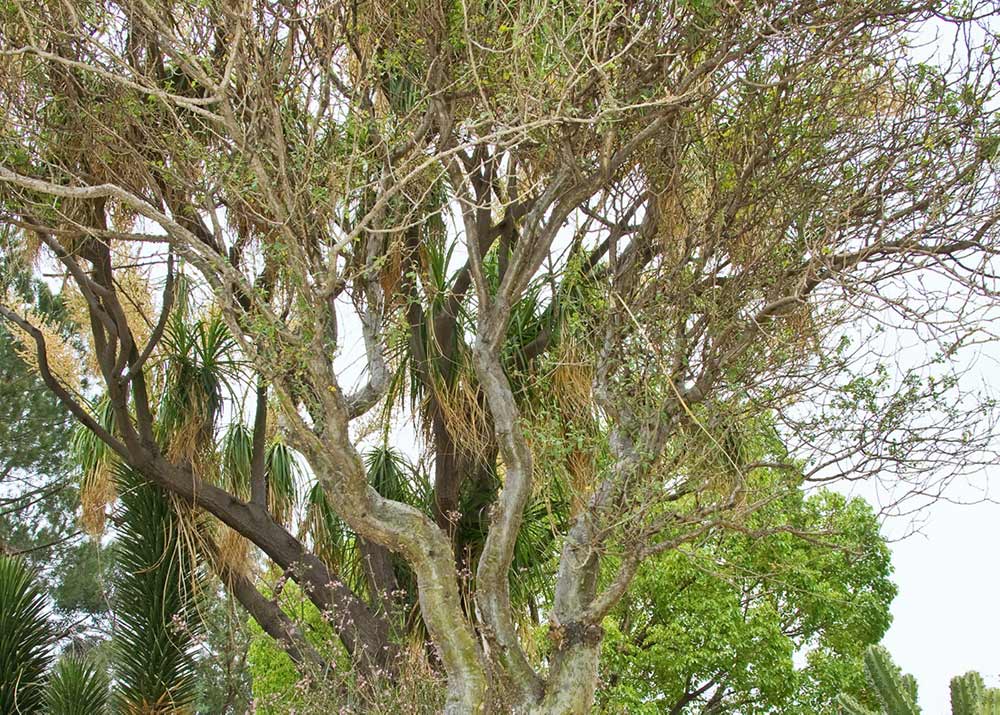
photo by Nick Lantz
Scientific Name: Pachycormus discolor
Description: This member of the cashew family is endemic to the Baja California, Mexico peninsula. It offers perching and food for small birds.
Elephant Tree
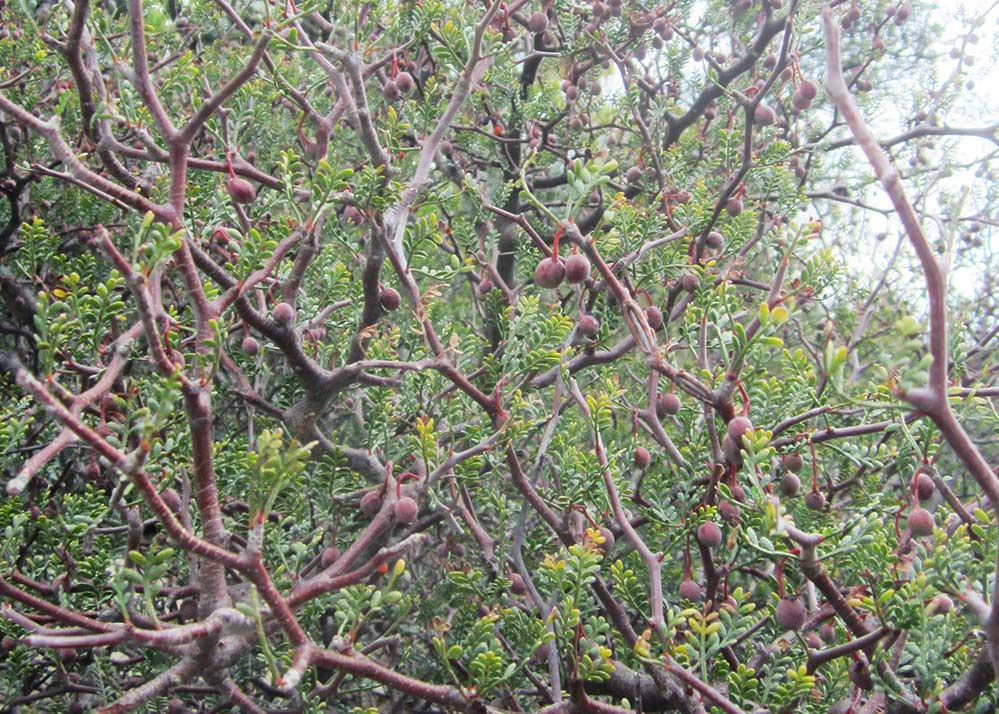
photo by Nick Lantz
Scientific Name: Bursera microphylla
Description: Related to frankincense, this aromatic shrub is found in arid regions of the southwestern U.S. and northwestern Mexico. It provides perching and food for birds.