
Birds/Plants found in this Garden:
Anna's Hummingbird
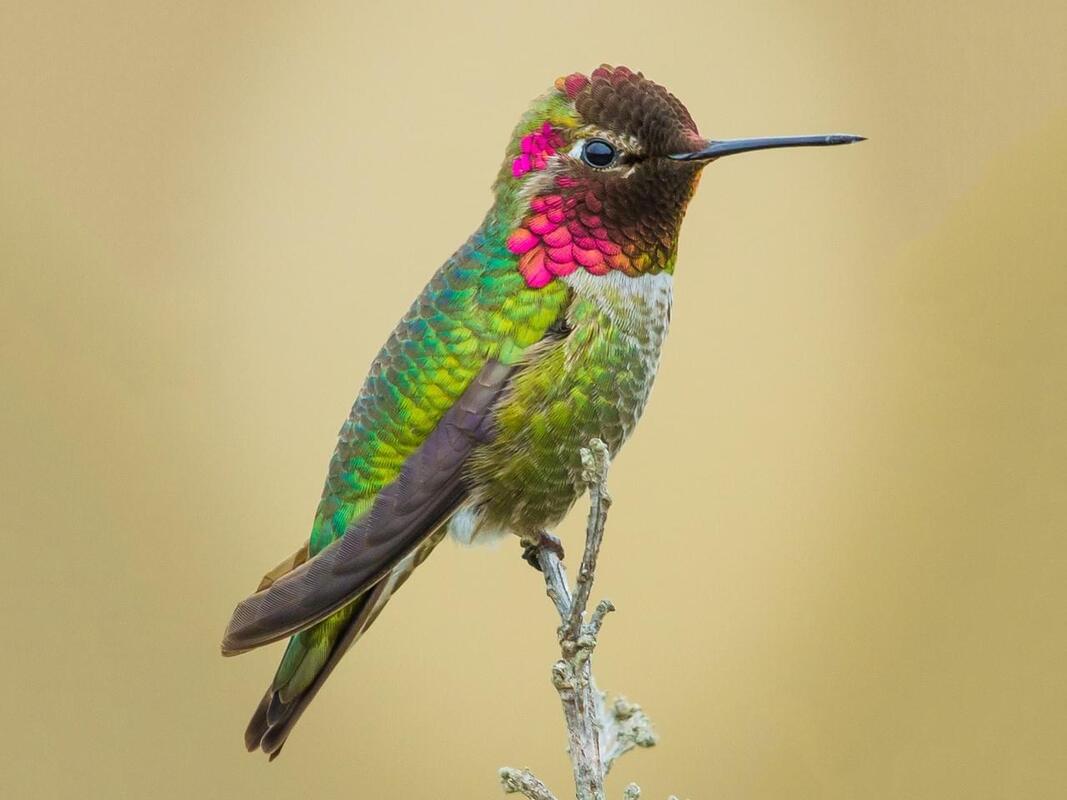
Male//photo by Kyle Blaney
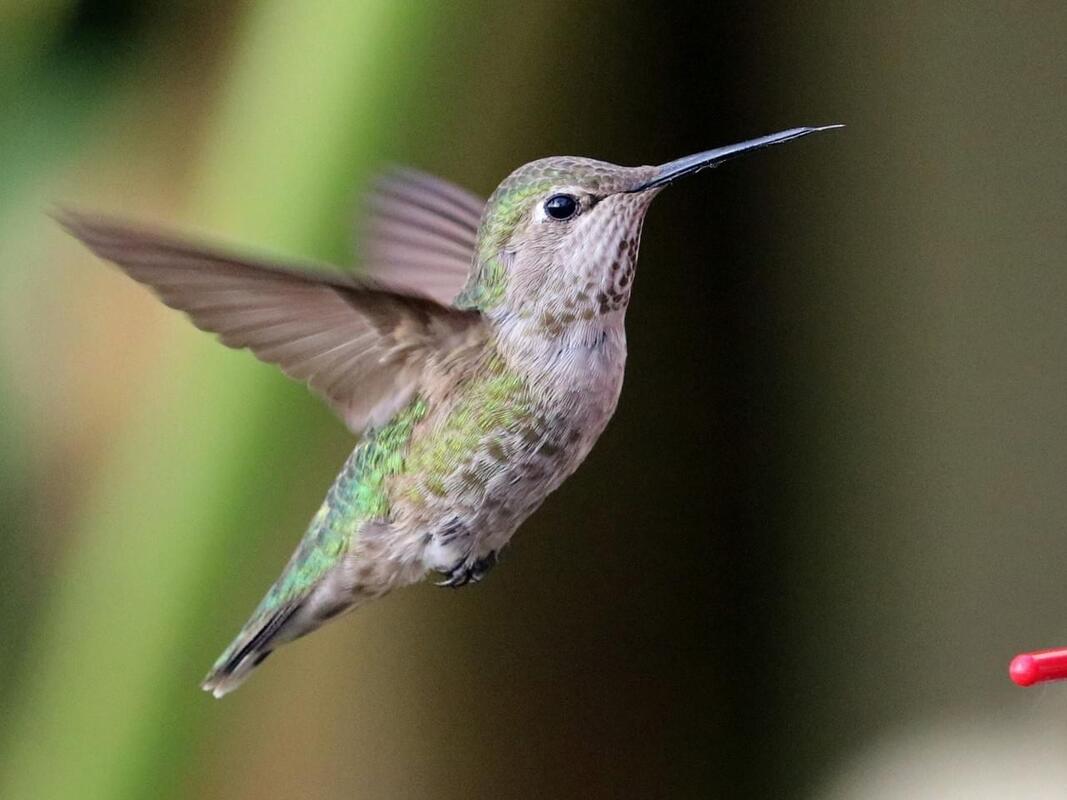
female//photo by Ryan Winkleman
Description : Tiny green and gray bird, with a straight and short bill, and a fairly broad tail that extends longer than the wingtips.
Diet: Main diet consists of nectar from flowering plants such as currant and gooseberry. They can be found to eat a variety of small insects.
Habitat: Common in urban and suburban settings. Other habitats they can be found in are chaparral, coastal scrubs, and open woodlands.
Hooded Oriole
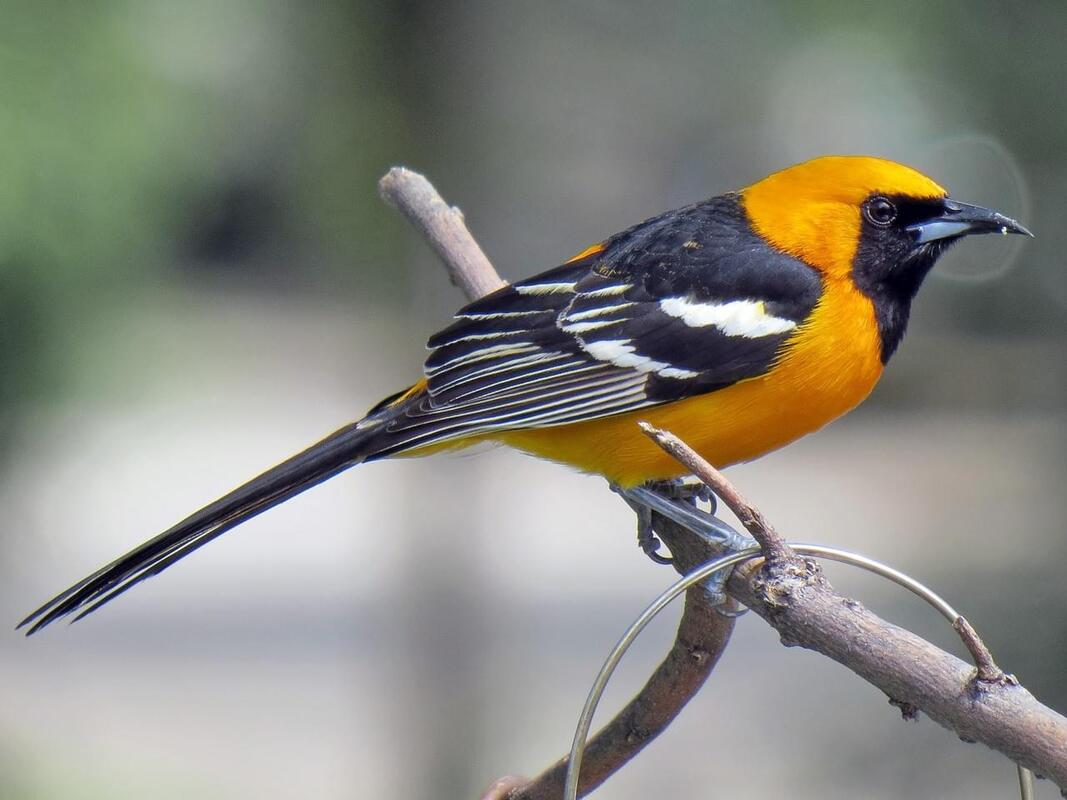
male//photo by Kevin Groeneweg
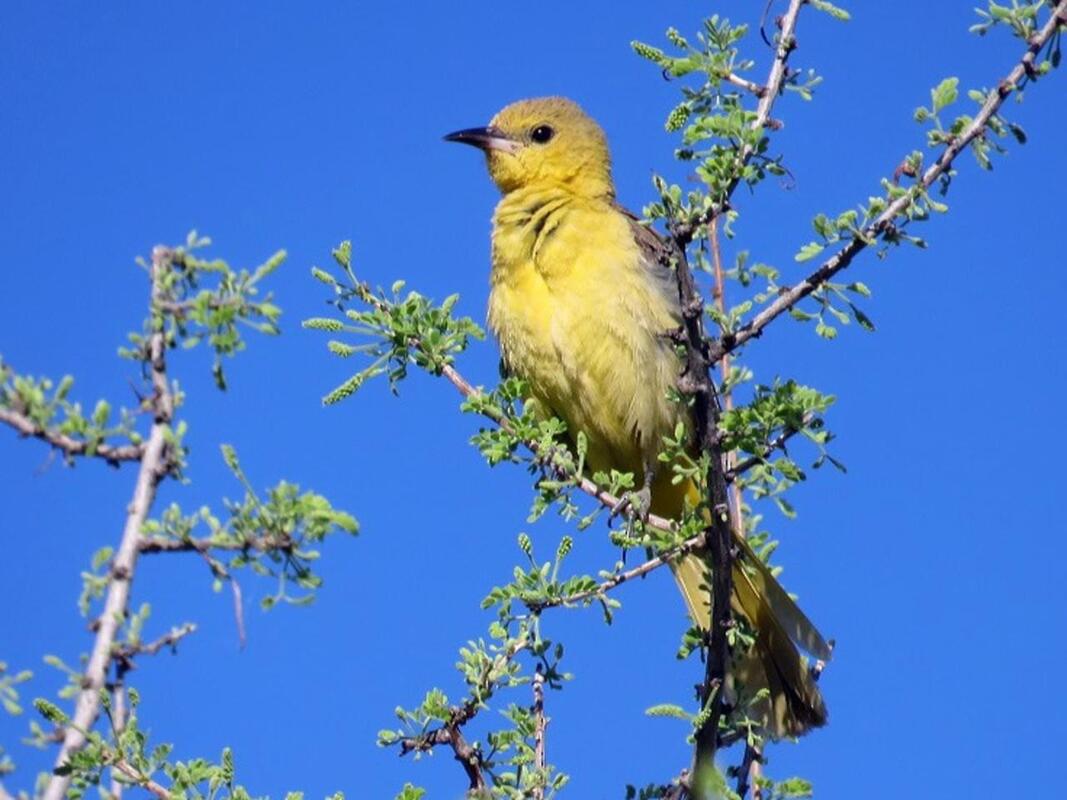
female//photo by Anne (Webster) Leight
Description : A similar size as a robin, these birds have black and yellow-orange tints to them. They have long rounded tails and long necks. They also have bits of white that show on their wings.
Diet: With their small and curved beaks they are able to go close to the ground and flip leaves over to find small insects, such as ants, grasshoppers, larvae, and caterpillars. They also enjoy eating fruits and nectar from plants and flowers.
Habitat: Open, dry areas in the Southwest with scattered trees including cottonwoods and more.
Rufous - crowned Sparrow
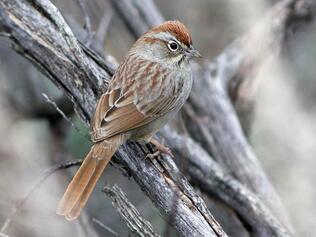
photo by Doug Hitchcox
Description : Large sparrow with round head and longer tail. They have a thick and pointed bill. Colors are usually brown with a small tint of orange.
Diet: Their main diets are insects in the spring and summer and stems and seeds during the winter. They scratch the floor looking for small insects.
Habitat: Dry and open hillsides that are covered with grasses, rocks, and scattered shrubs, such as open chaparrals. They tend to be spotted in areas that have been burned in California.
Pincushion flower
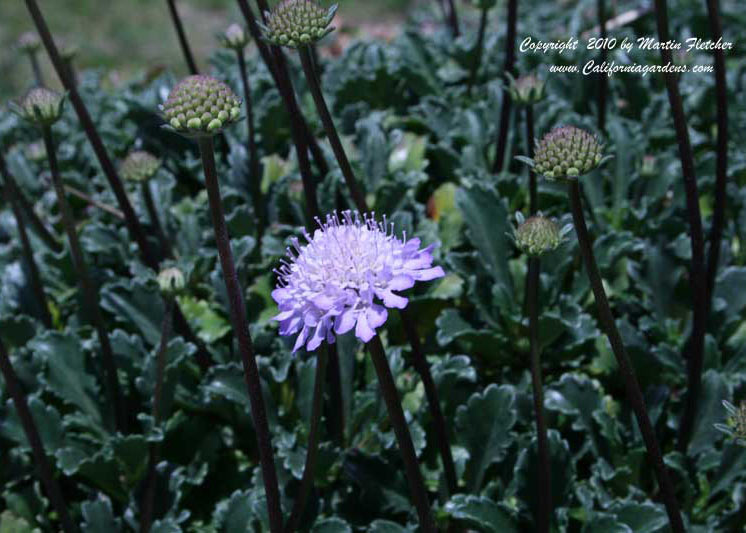
photo by Martin Fletcher
Scientific Name: Scabiosa farinosa
Description: Native to the hot Mediterranean climate of Tunisia in northern Africa, both birds and insect pollinators are attracted to this shrub’s lavender flowers.
Snowball viburnum
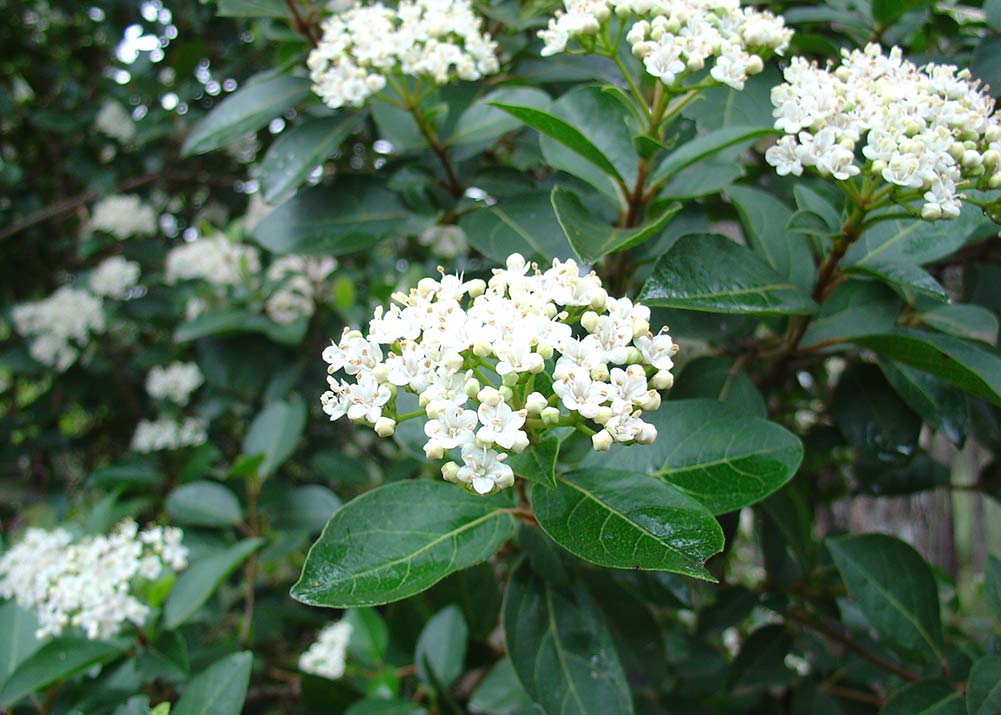
photo from Wikipedia
Scientific Name: Viburnum tinus
Description Native to North Africa and the Mediterranean region of Europe, this shrub prefers shady, moist areas but tolerates dry conditions as well.